HT10. Natural Pest Control: Eliminate Bed Bugs and Household Pests with Diatomaceous Earth & Cloves
byJonhny Sofi—0
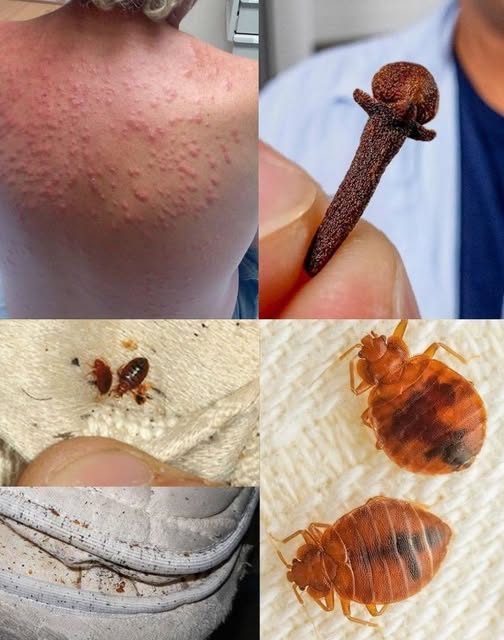
Bed bug infestations and household pests can be frustrating, but
natural pest control methods are gaining attention as safe, eco-friendly
alternatives to conventional insecticides. Among the most discussed
solutions are diatomaceous earth (DE) and cloves, both known for their
potential pest-repellent properties.
This guide explores the evidence-based uses of these natural
substances, how to apply them properly, and what precautions to take.
While these remedies may support pest management, they are not
substitutes for professional pest control in severe infestations.
What Is Diatomaceous Earth?
Diatomaceous earth is a naturally occurring soft sedimentary rock
that crumbles into a fine white or off-white powder. It is composed of
fossilized diatoms, a type of algae with silica-based cell walls.
When used in pest control, food-grade diatomaceous earth can be a
helpful tool. The powder works by physically damaging the exoskeleton of
insects such as bed bugs, ants, and fleas. According to the National
Pesticide Information Center (NPIC), DE causes insects to dehydrate and
die, making it a mechanical insecticide rather than a chemical one.
Important Note: Only use food-grade DE indoors. Pool-grade or industrial DE is not safe for home use or inhalation.
How to Use Diatomaceous Earth for Bed Bugs
1. Preparation
Before applying DE, thoroughly clean the affected areas:
Vacuum mattresses, bed frames, baseboards, and upholstered furniture.
Empty and dispose of the vacuum contents in a sealed bag outside the home.
2. Apply DE Safely
Using a dust applicator or glove, lightly sprinkle a thin layer of food-grade DE into cracks, crevices, and around bed legs.
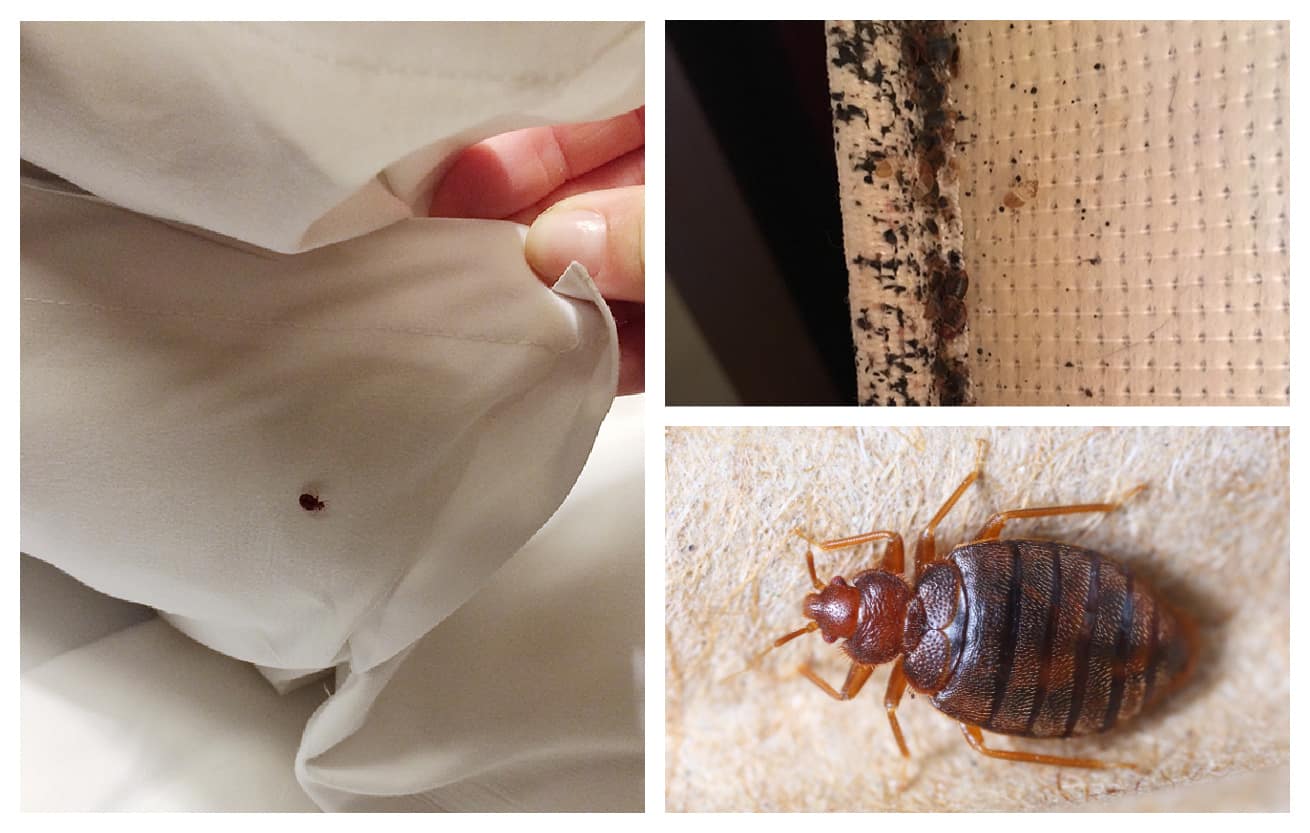
Target areas where bed bugs may hide: mattress seams, behind headboards, along baseboards, and under furniture.
Avoid using excessive amounts, as thick layers can be less effective and messy.
3. Let It Sit
Allow DE to remain undisturbed for 5–7 days.
Keep pets and children away from treated areas until cleaning.
4. Clean Up and Reapply
Vacuum the DE and any dead insects.
Reapply every 7–10 days if bed bug activity continues.
EPA guidance recommends integrating DE with other pest management
strategies such as mattress encasements and regular inspections.
Can Cloves Help Deter Insects?
Cloves (Syzygium aromaticum) contain a natural compound called
eugenol, known for its strong aromatic and insect-repellent properties.
While scientific studies on clove effectiveness against bed bugs are
limited, eugenol-based botanical insecticides have shown promise in
repelling or irritating certain insects.
According to the Journal of Medical Entomology, clove oil
formulations may have short-term repellency for some pest species.
However, they are not registered as stand-alone treatments for
eradicating bed bugs.
Safe Uses of Cloves for General Pest Deterrence
1. Clove Sachets
Fill breathable fabric sachets with whole cloves or clove powder.
Place sachets in:
Closet corners
Under beds
Inside drawers or storage containers
While this may not eliminate pests, the strong scent may help discourage insect activity in localized areas.
2. Clove Oil Spray
Mix 10–15 drops of clove essential oil with 1 cup of water and a few drops of mild soap.
Use as a surface spray around baseboards, behind furniture, and along entry points.
Always perform a patch test before applying oils on furniture or
fabrics. Essential oils can cause irritation and should be kept away
from pets and children.
Expanding Usage: DE and Cloves for Other Household Pests
Cockroaches and Ants
Sprinkle food-grade DE under sinks, behind appliances, and along walls.
Place clove sachets near trash bins or pantry shelves to discourage entry.
Fleas
Lightly apply DE on pet bedding and carpets (avoid direct contact with pets).
Allow it to sit for 24 hours before vacuuming thoroughly.
Keep clove sachets near pet sleeping areas, out of reach of animals.
Mosquitoes
DE is not effective for flying insects.
However, clove oil spray can be used on window sills and patio areas as a temporary natural repellent.
Note: For active mosquito control, EPA-registered repellents containing DEET or Picaridin are considered more reliable.
Safety and Effectiveness: What Experts Say
According to the EPA and NPIC, diatomaceous earth is effective only
when dry and should not be inhaled. Prolonged exposure to airborne DE
dust can cause respiratory discomfort. Always use minimal amounts and
wear a mask during application.
As for cloves and essential oils, they may provide short-term relief
but are not classified as proven eradication methods for significant
infestations. Botanical sprays may be suitable for preventive use or
low-level pest deterrence, but for severe infestations, professional
pest management is recommended.
Integrated Pest Management (IPM) for Best Results
Combining natural remedies with preventive techniques is often the most sustainable approach. Consider the following steps:
Seal entry points around windows, baseboards, and wall cracks.
Declutter your space to reduce hiding spots.
Wash bedding in hot water and dry on high heat weekly.
Use bed bug interceptors under bed legs to monitor activity.
Schedule routine pest inspections if living in multi-unit housing.
Conclusion: A Natural Addition to a Larger Strategy
While neither diatomaceous earth nor cloves alone can guarantee total
pest elimination, they can play a role in a multi-layered pest control
approach. These natural substances are low-toxicity when used properly,
making them suitable for homes with children or pets—provided safety
guidelines are followed.
For long-term results and safety, always consider consulting with a
licensed pest control professional to ensure that your pest problem is
addressed thoroughly and in accordance with local regulations.



إرسال تعليق